


How to Import a Car from South Africa to Kenya
Eligibility for Duty-Free Car Importation from South Africa
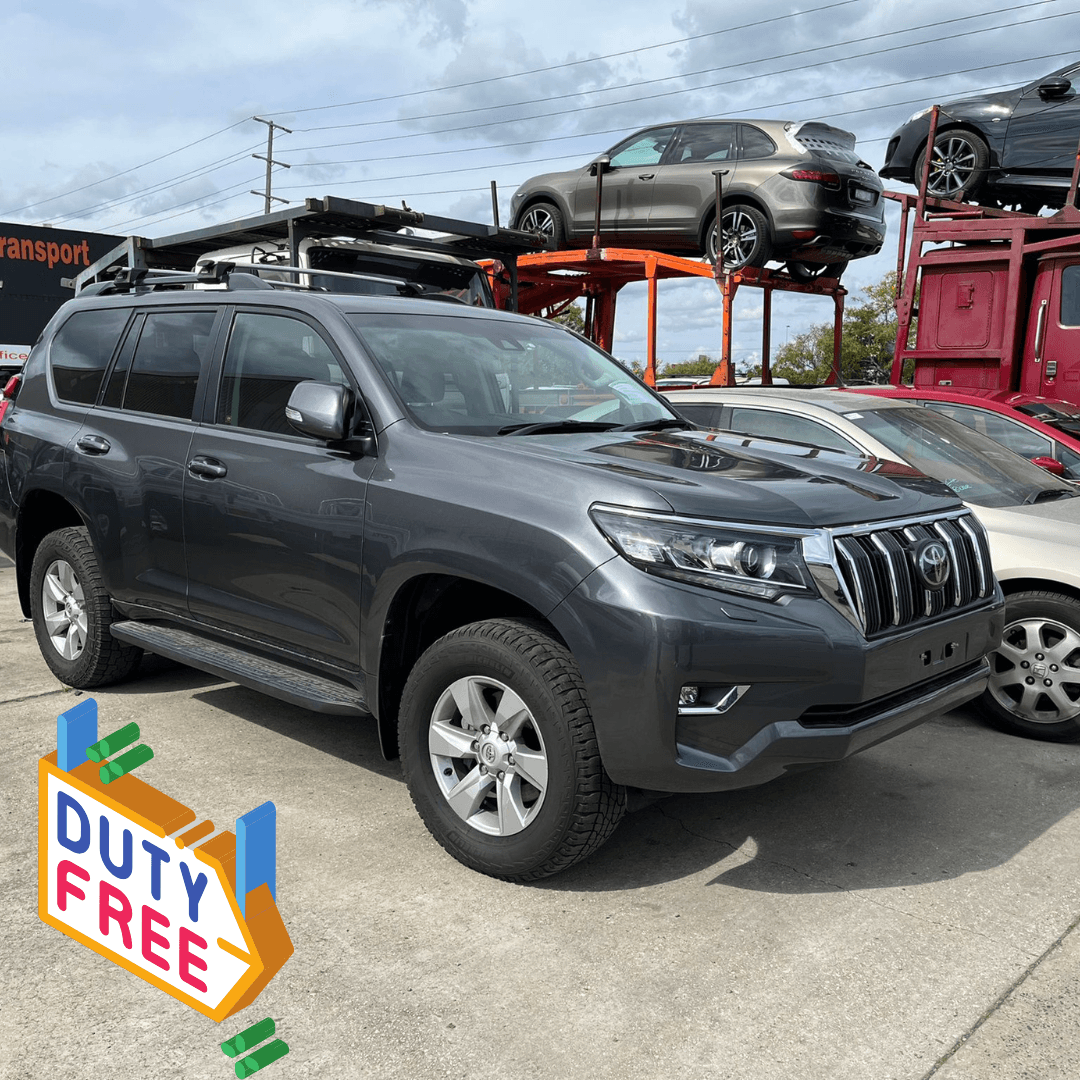
Importing a duty-free car for returning Kenya residents comes with fantastic financial benefits, but eligibility criteria are critical to making it happen. Understanding these requirements helps you avoid unnecessary complications and ensures you enjoy the full benefits of duty exemption.
Confirming Residency Abroad
To qualify for duty-free car importation, you must have lived outside Kenya for at least two continuous years. This residency requirement is designed to ensure that the exemption is available only to genuine returning residents. Your passport, work permits, or tax records can serve as proof of your time abroad, so ensure these documents are accurate and ready.
If you’ve been moving between countries, be prepared to provide additional documentation to confirm your primary residence. These records are vital for demonstrating eligibility during the customs process in Kenya.
Ownership of the Car
The duty-free scheme requires that you’ve owned the car for at least 12 months before importing it to Kenya. This rule helps prevent misuse of the exemption for commercial purposes. Ensure the car’s logbook or registration certificate clearly shows the purchase date and matches your details.
If you financed the car, provide proof that it’s fully paid off. Customs officials will carefully review these details, so having complete documentation ensures a smooth process.
Meeting Import Deadlines
Once you arrive in Kenya, you have a three-month window to apply for the duty-free exemption. Delays beyond this period can disqualify you, so it’s essential to plan ahead and start the process as soon as possible. Being proactive ensures you meet all deadlines and avoid missing out on valuable benefits.

Choosing the Best Shipping Options for South Africa to Kenya
Choosing the right shipping method for your car is one of the most important steps in the importation process. With multiple options available, selecting the best fit for your budget and timeline ensures a hassle-free experience.
Road Transport vs. Sea Shipping
South Africa’s proximity to Kenya makes road transport a popular and cost-effective option for importing vehicles. Professional car carriers or drivers can deliver your vehicle directly to the Kenyan border. This method is quick and avoids the complications of sea transport.
Alternatively, sea shipping is a viable choice if you want added protection for your car. Container shipping offers security, while roll-on/roll-off (RoRo) services are more budget-friendly. Discuss your preferences with a shipping company to decide which option works best for you.
Choosing a Reliable Shipping Provider
Work with a trusted shipping company that has experience transporting vehicles from South Africa to Kenya. A reliable provider will guide you through the process, including handling documentation and arranging for insurance. Check reviews, ask for recommendations, and verify the company’s credentials to avoid complications.
Transparency is key, so request a detailed breakdown of costs and timelines before committing to a shipping provider. Knowing what to expect keeps everything on track.
Understanding Shipping Costs
Shipping costs vary based on the car’s size, method of transport, and insurance coverage. Road transport may involve tolls and fuel costs, while sea shipping includes port fees and container charges. Budget for these expenses to avoid surprises and ensure a smooth process.

Penalties for Importing Vehicles Beyond the Age Limit
Understanding the regulations for both South African exports and Kenyan imports is crucial to completing the process successfully. Staying informed ensures your car meets all legal requirements and avoids delays.
South African Export Requirements
Before exporting a car from South Africa, you’ll need to gather the necessary documentation. This includes the car’s logbook, proof of purchase, and clearance from the South African Revenue Service. These documents confirm the car is eligible for export and complies with local laws.
Ensure the vehicle undergoes a roadworthiness test in South Africa if required. This ensures it’s safe for transport and ready to meet Kenyan standards.
Kenyan Import Documentation
Kenyan customs officials will require specific documents, including your Pre-Export Verification of Conformity (PVoC) certificate, proof of residency abroad, and the car’s logbook. These papers are essential for clearing the car at the border or port.
Double-check all documents to ensure accuracy. Discrepancies can cause delays or result in penalties, so thorough preparation is essential.
Working with Customs Agents
Hiring a licensed customs agent simplifies the process of navigating export and import regulations. These professionals handle the paperwork and guide you through customs clearance, ensuring compliance with all rules. Their expertise saves time and minimizes stress.

Ensuring Compliance with Kenyan Vehicle Standards
Importing a duty-free car for returning Kenya residents is an exciting process, but finding a vehicle that meets Kenya’s age requirements is crucial. The eight-year age limit ensures cars are safe, environmentally friendly, and reliable for Kenyan roads. Knowing how to identify eligible cars saves you time, money, and potential headaches. Here’s how to find the perfect car while staying within the regulations.
Research Reliable Car Dealers Abroad
The first step in finding an eligible car is choosing a reliable dealer. Look for dealerships with a strong reputation and experience in exporting vehicles to Kenya. Many reputable dealers are based in countries like Japan, the UK, and the UAE, where used cars are often in excellent condition.
Ask the dealer for a detailed history of the car, including its manufacturing year, mileage, and maintenance records. A trustworthy dealer will be transparent about the car’s condition and provide all the necessary documentation. Working with an experienced exporter ensures the car you select complies with Kenyan import regulations.
Verify the Manufacturing Year
Kenyan regulations require that imported cars be no older than eight years from the year of importation. To confirm a car’s eligibility, always check the manufacturing year, which is typically listed on the vehicle’s logbook or registration documents. Be cautious with sellers who only provide the first registration date, as it may differ from the actual year of manufacture.
If you’re unsure about the car’s age, use the vehicle’s chassis number to verify it. Many online tools and import agents can help you cross-check the manufacturing date. Taking the time to confirm this detail ensures the car will meet Kenyan customs requirements and saves you from potential rejection at the port.
Explore Certified Pre-Owned Options
Certified pre-owned vehicles are an excellent option for finding cars that meet Kenya’s age requirements. These cars are inspected and refurbished by the manufacturer or authorized dealers, ensuring they are in good condition and compliant with regulations. They often come with warranties, giving you added peace of mind.
While certified pre-owned cars may cost slightly more than regular used vehicles, their quality and reliability make them a worthwhile investment. Many international dealerships offer these options, and they are a great choice for returning residents looking for long-term value and minimal maintenance.
Work with an Experienced Import Agent
An import agent can be a valuable resource when searching for cars that meet Kenya’s age requirements. These professionals are familiar with the regulations and can guide you in selecting an eligible vehicle. They often have connections with trusted dealers and access to databases of compliant cars, making the search process easier and faster.
An experienced agent will also handle the verification process for you, ensuring the car’s documents are accurate and complete. Partnering with a reliable agent not only saves you time but also reduces the risk of making costly mistakes during the importation process.
Use Online Marketplaces with Caution
Online marketplaces are a popular option for finding cars, but you need to exercise caution when using them. Stick to reputable platforms with verified sellers and detailed listings that include the car’s manufacturing year, mileage, and condition. Avoid deals that seem too good to be true, as they may involve hidden issues or scams.
When buying from an online marketplace, request a comprehensive inspection report and all necessary documentation. If possible, arrange for an independent inspection to verify the car’s condition and eligibility. Being cautious and thorough ensures you find a car that complies with Kenyan regulations and meets your needs.
Consider Popular Models Known for Compliance
Certain car models are popular among importers due to their reliability and compliance with Kenyan regulations. Brands like Toyota, Nissan, and Mazda are often favored because they meet the eight-year age limit and are easy to maintain. These cars also have good resale value and are well-suited for Kenyan roads.
Researching popular models and their specifications helps you narrow down your options and find an eligible car more quickly. Choosing a well-known and compliant model simplifies the importation process and ensures you get a vehicle that fits your lifestyle. Finding a car that meets Kenya’s age requirements is easier than you might think with the right approach.
Let us know what you think in the comments!


Categories
Newsletter
Subscribe to the newsletter and stay in the loop! By joining, you acknowledge that you'll receive our newsletter and can opt-out anytime hassle-free.
Created with ©Target Digital