


How Duty-Free Car Imports Work for Returning Residents
Breaking Down the Process: From Start to Finish
Importing a duty-free car for returning Kenya residents might seem complicated, but once you break it down step by step, it becomes manageable. Whether it’s gathering your documents, choosing the perfect vehicle, or navigating customs, each stage is crucial to ensure a smooth experience. Here’s a clear guide to understanding the entire process.

Choosing the Right Car
The first step is selecting a car that suits your needs and complies with Kenyan import regulations. Consider factors like fuel efficiency, reliability, and durability, especially for Kenyan roads. Popular models like the Toyota Corolla, Subaru Forester, and Nissan X-Trail are excellent options, offering a balance of comfort and practicality.
You’ll also need to ensure the car meets the eight-year age limit and passes environmental standards. Research thoroughly or work with a trusted dealer to confirm the car’s specifications align with Kenyan laws. Picking a vehicle that ticks all the right boxes saves time and ensures you avoid unnecessary complications.
Organizing Your Documents
Paperwork is the backbone of the importation process, and having it in order can save you from stressful delays. Your passport is essential to prove you’ve lived abroad for at least two years. Other critical documents include the car’s logbook, proof of ownership, and the Pre-Export Verification of Conformity certificate.
Ensure the details on all documents match, from your name to the vehicle’s chassis and engine numbers. Small errors can cause big delays, so double-check everything before submitting. If you’re unsure about what’s required, consulting with an expert can make all the difference.
Working with Reliable Services
The importation process becomes much easier when you partner with reliable agents, dealers, and shipping companies. Trusted agents guide you through every step, from verifying documents to clearing customs. Shipping companies ensure your car reaches Kenya safely and on time, offering insurance and regular updates along the way.
Always research the reputation of the services you choose. Look for reviews, ask for recommendations, and confirm their experience with duty-free car imports. A reliable partner can save you from potential scams and make the entire journey stress-free.
Shipping Your Car
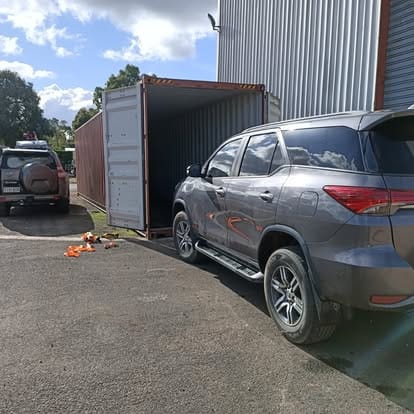
Once your car is selected and all documents are ready, it’s time to ship it to Kenya. Most vehicles are transported via container shipping or roll-on/roll-off (RoRo) methods. Container shipping offers added protection, while RoRo is a more cost-effective option.
Work with your shipping company to ensure all the paperwork, including the bill of lading, is in order before the car departs. You’ll also need to confirm the timeline for shipping and make arrangements for receiving the car at the port. Staying on top of these details helps you avoid unexpected delays.
Clearing Customs in Kenya
When your car arrives, the next step is clearing customs. This involves submitting all required documents, including proof of eligibility for the duty-free exemption. Customs officials will also inspect the vehicle to ensure it complies with Kenyan regulations, such as the age limit and environmental standards.
Timely submission of documents and payment of any necessary fees ensures the process moves quickly. Customs clearance might sound daunting, but if you’ve prepared everything in advance, it’s just another step toward getting your car on the road.
Registering and Insuring Your Car
After clearing customs, you’ll need to register your car with the Kenya Revenue Authority and get it insured. Registration involves obtaining Kenyan number plates and ensuring the car meets roadworthiness standards. For insurance, compare policies to find one that fits your needs, whether it’s basic third-party coverage or comprehensive protection.
Both registration and insurance are mandatory to legally drive your car in Kenya. These final steps mark the end of the process, bringing you closer to enjoying the benefits of your duty-free import.
Why Following the Steps Matters
Breaking the process into manageable steps ensures everything is handled properly, saving you time, money, and stress. Each stage, from selecting the car to registration, builds toward a successful outcome. With proper planning and the help of trusted services, you can navigate the process smoothly and enjoy your car on Kenyan roads in no time.
Key Documents Every Importer Needs to Have
When importing a duty-free car for returning Kenya residents, having the right documents is crucial. These papers are your golden ticket to a smooth and stress-free process. Whether it’s proving eligibility, ensuring compliance, or clearing customs, the right paperwork keeps everything moving forward. Here’s what you need to have ready.
Proof of Eligibility
To qualify for the duty-free exemption, you’ll need to prove that you meet the requirements as a returning Kenya resident. Your passport is the most critical document here. It should clearly show that you’ve lived abroad for at least two years, with entry and exit stamps to confirm your timeline.
Supporting documents like work permits, employment contracts, or proof of residence from the country you lived in can further strengthen your case. These documents show customs that you’re eligible for the duty-free scheme and prevent any questions about your status as a returning resident.
Car Ownership Documents
The car’s logbook or registration certificate is essential to prove ownership. This document must include key details like the car’s make, model, chassis number, and engine number. Customs officials use this information to verify that the car matches the one being imported.
If you financed the vehicle, ensure it’s fully paid off, and you have documents showing the loan has been cleared. A purchase invoice or receipt is also required to confirm the car’s value, which can impact customs clearance. Keeping these papers organized ensures you avoid any unnecessary delays.
Pre-Export Verification Certificate
Kenya requires every imported car to undergo a Pre-Export Verification of Conformity (PVoC) inspection in its country of origin. This inspection ensures the car meets Kenyan safety, health, and environmental standards. The certificate issued after the inspection is non-negotiable—it’s a must-have for customs clearance.
Work closely with your seller or shipping agent to ensure the inspection is done by an approved agency. The certificate should clearly state that the car complies with Kenya’s importation rules, saving you from potential headaches once the vehicle arrives.
Bill of Lading
The bill of lading is issued by your shipping company and serves as proof that your car is on its way to Kenya. It includes details like the car’s destination, the shipping route, and the estimated arrival date. Customs officials will require this document to verify the shipment.
Make sure the bill of lading matches all other paperwork, especially the car’s registration details. Any inconsistencies could cause delays, so review everything carefully before submitting it to customs.
Personal Identification Number (PIN) Certificate
A Kenyan Personal Identification Number (PIN) certificate is mandatory for customs clearance. This document connects you to Kenya’s tax system and is used for processing duty-free exemptions. If you don’t already have a PIN, you can apply for one through the Kenya Revenue Authority (KRA) website.
Ensure the details on your PIN certificate align with your other documents, such as your passport and car ownership records. This consistency prevents delays during customs clearance and keeps the process running smoothly.
Insurance Documents
Although insurance isn’t required for the customs process, it’s wise to secure coverage before your car arrives in Kenya. Insurance protects your vehicle during shipping and ensures you’re legally compliant once the car is registered. Work with a reliable insurance provider to get the right coverage for your needs.
Having insurance in place also gives you peace of mind, knowing your car is protected throughout the importation process. Whether it’s comprehensive coverage or basic protection, make sure you have the documents ready when needed.
Why These Documents Are Essential
Each document plays a unique role in ensuring your car is legally and safely imported into Kenya. From proving your eligibility to verifying the car’s compliance, having everything in order saves you time, money, and stress. By staying organized and proactive, you’ll navigate the process like a pro and enjoy the full benefits of your duty-free car importation.
Eligibility Explained: Are You Qualified for Duty-Free Import?
Importing a duty-free car for returning Kenya residents is a fantastic benefit, but not everyone automatically qualifies. There are specific requirements that you need to meet to enjoy this tax-saving opportunity. Understanding the eligibility criteria is the first step in making the process smooth and stress-free. Let’s break it down so you can determine if you qualify for this exciting scheme.
Proof of Residency Abroad
The cornerstone of eligibility is proving that you’ve lived abroad for at least two continuous years. Customs officials will check your passport to verify this, so it’s essential to ensure your entry and exit stamps are clear and consistent. Work permits, employment contracts, or rental agreements from your host country can also support your case.
Living abroad means you’ve likely been contributing to the economy of another country, and the duty-free scheme rewards your decision to return home. The documents you provide should tell a clear story of your time abroad, leaving no room for doubt about your eligibility.
Ownership of the Vehicle
To qualify for the duty-free exemption, you need to have owned the car for at least 12 months before importing it. This requirement ensures the vehicle is for personal use and not for immediate resale, which is a strict condition of the scheme.
You’ll need the car’s logbook or registration certificate as proof of ownership. The details on these documents, such as the chassis number and engine number, must match the car you’re importing. If you financed the car through a loan, make sure it’s fully paid off, and you have proof of clearance to avoid any complications.
Personal Use Clause
The duty-free exemption is strictly for personal use, meaning the car cannot be sold or transferred immediately after importation. This clause ensures that the benefit goes directly to returning residents rather than being exploited for commercial purposes. Customs officials will review your case to ensure the car genuinely serves your needs and isn’t being brought in for resale.
This means you should be prepared to explain how the car fits into your life. Whether it’s for commuting, family use, or long-distance travel, showing the personal value of the vehicle strengthens your case.
Timeline for Claiming Duty-Free Status
Timing is everything when it comes to duty-free importation. Once you’ve returned to Kenya, you have a window of three months to start the importation process. Missing this deadline means losing your exemption benefits, so planning ahead is crucial.
This timeline ensures that the duty-free benefit is tied to your return and helps customs manage the program effectively. If you’re unsure about the timing, consulting with an import expert can help you align your plans with the regulations.
One-Time Exemption Rule
The duty-free scheme is a one-time benefit, so it’s important to make it count. This means you can only bring in one car under this exemption during your lifetime. If you’ve already used this benefit in the past, you won’t be eligible to claim it again.
This rule emphasizes the personal use aspect of the program, making it a valuable opportunity for those genuinely settling back into Kenya. Carefully consider your choice of car to ensure it meets your needs now and in the future.
Special Considerations and Exceptions
There are exceptions for certain categories of residents, such as diplomats and government officials, who may have additional benefits or exemptions. If you fall into one of these categories, you may qualify for extended privileges. It’s always a good idea to check with customs or a professional agent to explore any unique conditions that might apply to your case.
Eligibility for duty-free importation is all about meeting clear, straightforward criteria. By understanding the rules and preparing your documents carefully, you can take full advantage of this benefit and bring your car home with ease.
What Happens at Kenyan Customs?
When importing a duty-free car for returning Kenya residents, clearing customs is one of the most critical steps in the process. The experience might sound intimidating, but with the right preparation, it can be smooth and straightforward. Kenyan customs officials follow specific procedures to ensure compliance with regulations while giving you the benefits of your duty-free exemption. Here’s what you can expect when your car arrives in Kenya.
Customs Documentation Review
The first thing customs officials will do is review all your documents. This includes your passport, the car’s logbook, proof of ownership, and the Pre-Export Verification of Conformity certificate. They’ll confirm your eligibility for the duty-free exemption by checking that you’ve lived abroad for at least two years and owned the car for at least one year.
Any discrepancies or missing paperwork can delay the process, so double-check your documents before submission. Customs officials are thorough, but they’re also helpful if everything is in order. Presenting your paperwork neatly and accurately speeds up the review process and keeps things moving smoothly.
Vehicle Inspection
After verifying your documents, customs will conduct a physical inspection of the vehicle. This step ensures that the car matches the details provided in your paperwork, such as the chassis number, engine number, and specifications. They’ll also check that the car complies with Kenyan import regulations, including the eight-year age limit.
The inspection is also an opportunity to confirm that the vehicle passed the Pre-Export Verification of Conformity inspection in the country of origin. Customs officials will verify the PVoC certificate and ensure the car meets safety, health, and environmental standards. Having your vehicle in good condition and free of modifications that could raise red flags makes this step quick and hassle-free.
Clearing Fees and Charges
Although you’re exempt from import duty and VAT, there are still some fees to clear at customs. These may include port handling fees, storage fees if applicable, and charges for the inspection process. Customs officials will provide a breakdown of these costs, which need to be paid before your car is released.
It’s important to budget for these fees in advance to avoid surprises. Having receipts for all payments keeps your records organized and ensures you can clear your vehicle without delays. Once the fees are settled, you’re one step closer to getting your car on Kenyan roads.
Customs Clearance Certificate Issuance
Once the inspection and fee payment are complete, customs will issue you a clearance certificate. This document confirms that your car has met all the requirements and is now eligible for registration in Kenya. It’s an essential piece of paperwork that you’ll need when applying for Kenyan number plates and insurance.
The clearance certificate is a testament to your hard work and preparation, signaling the end of the customs process. Keep it safe and accessible as you’ll need it for the next steps in your car’s journey to becoming road-ready.
Collecting Your Car
After customs clearance, it’s time to collect your car from the port. Depending on the shipping method you chose, the car might already be ready for pickup, or it may need to be moved to a designated area. Ensure you have all your documents in hand, as port officials will require them before releasing the vehicle.
Driving your car out of the port for the first time is an exciting moment. It marks the beginning of a new chapter with your duty-free car, ready to take you wherever you need to go in Kenya. The customs process may seem like a lot, but careful preparation and organization make it all worthwhile.
Let us know what you think in the comments!

Categories
Newsletter
Subscribe to the newsletter and stay in the loop! By joining, you acknowledge that you'll receive our newsletter and can opt-out anytime hassle-free.
Created with ©Target Digital