


What Are the Requirements for Duty Exemption for Returning Kenyan Residents?
Importing a duty-free car for returning Kenya residents is an exciting opportunity, but it also comes with risks.
If you’re planning to import a duty-free car for returning Kenya residents, understanding the eligibility criteria is essential. This exemption is a fantastic benefit for returning citizens, but it comes with specific rules. Meeting the requirements ensures you can enjoy this perk without any unexpected hiccups. Here’s what you need to know about qualifying for duty exemption.
Proof of Residency Abroad
The cornerstone of eligibility is proving that you’ve lived outside Kenya for at least two continuous years. This requirement demonstrates that you’re a returning resident, making you eligible for the duty exemption. Customs officials will closely examine your documents, including your passport, work permits, or proof of residence abroad, to verify this timeline.
It’s important to ensure all your documentation is clear and accurate. If you’ve made frequent trips back to Kenya, be prepared to show that your primary residence was still abroad. Having a clear paper trail makes it easier to meet this criterion and avoid delays during the process.
Vehicle Ownership Requirements
To qualify for duty exemption, the car you’re importing must have been registered in your name for at least 12 months before shipment. This rule is designed to prevent misuse of the exemption for commercial purposes. Customs officials will require the car’s logbook or registration certificate as proof of ownership.
Make sure the ownership details match your personal information exactly. If the car was financed, you’ll need to show proof that it’s fully paid off. Overlooking these details can lead to complications, so double-check all the paperwork before proceeding with your importation plans.
Compliance with Kenyan Import Regulations
In addition to meeting duty exemption rules, the car itself must comply with Kenyan import regulations. The most notable requirement is the eight-year age limit for imported vehicles. Cars older than this are not allowed into the country, even under the duty-free scheme.
You’ll also need a Pre-Export Verification of Conformity (PVoC) certificate, which confirms that the car meets safety, environmental, and roadworthiness standards. This inspection must be completed in the car’s country of origin before shipping. Ensuring your vehicle complies with all regulations keeps the process smooth and stress-free.

Key Timelines for Applying for Duty-Free Exemption
When importing a duty-free car for returning Kenya residents, timing is everything. Missing critical deadlines can lead to costly penalties or even disqualification from the duty exemption. To ensure a seamless process, you need to understand and adhere to key timelines. Let’s break down the most important deadlines to keep in mind.
Starting the Process Within Three Months of Returning
The first timeline to note is that you must begin the application for duty-free exemption within three months of your return to Kenya. This requirement ensures the exemption is tied to your status as a recently returned resident. Delaying the process beyond this window may result in losing the exemption altogether.
As soon as you land, start gathering the necessary documents, including proof of residency abroad and your car’s ownership papers. The earlier you begin, the more time you have to address any issues or delays that may arise. Proactivity is your best friend when it comes to meeting this timeline.
Securing the Pre-Export Inspection Before Shipping
Another crucial timeline involves the Pre-Export Verification of Conformity (PVoC) inspection, which must be completed before your car is shipped to Kenya. This inspection certifies that your vehicle meets Kenya’s safety, environmental, and roadworthiness standards. Without it, customs clearance becomes a nightmare.
Coordinate with your seller or shipping agent to schedule the inspection as soon as you decide on a vehicle. The inspection process can take time, especially during peak shipping seasons, so planning ahead ensures you don’t face last-minute delays.
Clearing Customs Without Delays
Once your car arrives at the Kenyan port, customs clearance needs to happen promptly to avoid incurring storage fees. Having all your documents prepared before the car arrives is crucial to meeting this timeline. Customs officials will require proof of eligibility, the PVoC certificate, and the bill of lading to process your exemption.
Clearing customs quickly not only saves you money but also ensures your car is released in time for registration and use. Staying organized and responsive during this phase is key to keeping the process on track.
Registering and Insuring Your Car Post-Clearance
After customs clearance, you have a limited time to register your car with the Kenya Revenue Authority and secure insurance. These steps are essential for legally driving your vehicle on Kenyan roads. Delaying registration could result in fines or complications with law enforcement.
Plan for these post-clearance tasks in advance so you can complete them promptly. Research insurance providers and registration requirements while your car is in transit to Kenya. Being prepared for these final steps ensures you’re ready to hit the road without unnecessary delays.
Making the Most of the Duty-Free Opportunity
The duty-free car exemption is a one-time benefit, making it all the more important to adhere to the timelines. Missing a deadline means missing out on significant savings, so staying informed and proactive throughout the process is essential. With proper planning and attention to these key timelines, you’ll enjoy a stress-free experience and a smooth transition back to Kenyan life.
Timely Application for Exemption
Timing is critical when it comes to applying for duty exemption. You must begin the importation process within three months of returning to Kenya to qualify for the exemption. Missing this window can result in losing your eligibility, which means paying full import duties.
Being proactive with your paperwork and planning ensures you meet this deadline. Whether it’s gathering your documents or coordinating with a shipping company, staying ahead of the timeline is key to securing your exemption. Having everything ready before your return to Kenya makes the process far less stressful.
One-Time Exemption Rule
The duty-free car scheme is a one-time benefit, meaning you can only use it once in your lifetime. If you’ve already imported a car under this exemption in the past, you won’t be eligible to do so again. This rule highlights the importance of choosing the right vehicle when you decide to take advantage of the scheme.
Carefully consider your needs and select a car that offers long-term value. Whether it’s a reliable family SUV or a fuel-efficient sedan, making the right choice ensures you maximize this unique opportunity. Understanding the one-time rule helps you plan wisely and avoid regrets.

Common Mistakes to Avoid When Filing for Exemption
Applying for a duty-free car for returning Kenya residents is an exciting opportunity, but even small mistakes can derail your plans. Filing for the exemption requires precision, attention to detail, and a clear understanding of the requirements. Avoiding common pitfalls ensures a smooth and successful process. Let’s explore the mistakes you should steer clear of to keep things on track.
Overlooking Eligibility Requirements
One of the biggest mistakes is failing to meet the eligibility criteria for duty exemption. Customs officials are strict about verifying that you’ve lived abroad for at least two continuous years and owned the car for at least 12 months. Overlooking these details can result in your application being rejected.
Always review the eligibility requirements carefully before beginning the process. Ensure you have clear documentation, such as your passport, work permits, and car ownership records, to prove you meet these criteria. Double-checking your eligibility saves you from wasting time and effort on a failed application.
Submitting Incomplete Documentation
Incomplete or missing documents are a common reason for delays and rejections. Customs officials require a comprehensive set of paperwork, including proof of residency abroad, the car’s logbook, and a Pre-Export Verification of Conformity (PVoC) certificate. Forgetting even one document can stall the process.
Create a checklist of all required documents and review it thoroughly before submission. If you’re unsure about what’s needed, consult a professional or experienced agent. Preparing your paperwork meticulously ensures customs officials have everything they need to approve your application.
Waiting Too Long to Start the Process
Timing is everything when filing for duty-free exemption. You must begin the process within three months of your return to Kenya. Waiting too long can result in missed deadlines and forfeiting your eligibility for the exemption.
Start gathering your documents and planning the logistics of your car importation as soon as possible. Being proactive gives you ample time to address any unexpected issues and ensures you meet all deadlines. Don’t let procrastination cost you the significant savings that come with the exemption.
Choosing the Wrong Vehicle
Importing a car that doesn’t comply with Kenyan regulations is another common mistake. Kenya has strict rules regarding the age and specifications of imported vehicles. Cars older than eight years or those lacking a PVoC certificate will not be cleared at customs.
Research the car you plan to import thoroughly to ensure it meets all requirements. Consulting with an import expert or agent can help you avoid costly mistakes and ensure the vehicle you choose is eligible for the exemption. Picking the right car from the start saves you from headaches later.
Failing to Understand Hidden Costs
While the duty exemption saves you from import duties and VAT, other costs like port handling fees, insurance, and registration still apply. Many people fail to account for these additional expenses, leading to budget surprises once the car arrives.
Plan for all costs associated with importing your car, from shipping to post-clearance fees. Knowing what to expect helps you manage your finances effectively and ensures there are no unpleasant surprises along the way. A clear understanding of all expenses makes the process much smoother.
Ignoring Professional Assistance
Trying to handle the entire process on your own can be overwhelming and increase the risk of errors. Professional agents and import specialists are familiar with the requirements and can guide you through the process with ease. Ignoring their expertise can lead to unnecessary complications.
Working with a trusted professional ensures your application is completed correctly and on time. Their experience can save you from making mistakes and provide peace of mind throughout the process. Sometimes, a little help goes a long way in achieving a successful outcome.
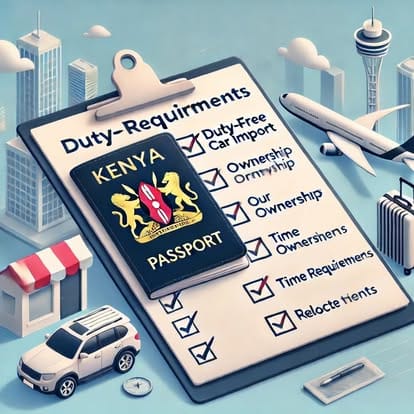
List of Essential Documents You Must Prepare
When importing a duty-free car for returning Kenya residents, timing is everything. Missing critical deadlines can lead to costly penalties or even disqualification from the duty exemption. To ensure a seamless process, you need to understand and adhere to key timelines. Let’s break down the most important deadlines to keep in mind.
Starting the Process Within Three Months of Returning
The first timeline to note is that you must begin the application for duty-free exemption within three months of your return to Kenya. This requirement ensures the exemption is tied to your status as a recently returned resident. Delaying the process beyond this window may result in losing the exemption altogether.
As soon as you land, start gathering the necessary documents, including proof of residency abroad and your car’s ownership papers. The earlier you begin, the more time you have to address any issues or delays that may arise. Proactivity is your best friend when it comes to meeting this timeline.
Securing the Pre-Export Inspection Before Shipping
Another crucial timeline involves the Pre-Export Verification of Conformity (PVoC) inspection, which must be completed before your car is shipped to Kenya. This inspection certifies that your vehicle meets Kenya’s safety, environmental, and roadworthiness standards. Without it, customs clearance becomes a nightmare.
Coordinate with your seller or shipping agent to schedule the inspection as soon as you decide on a vehicle. The inspection process can take time, especially during peak shipping seasons, so planning ahead ensures you don’t face last-minute delays.
Clearing Customs Without Delays
Once your car arrives at the Kenyan port, customs clearance needs to happen promptly to avoid incurring storage fees. Having all your documents prepared before the car arrives is crucial to meeting this timeline. Customs officials will require proof of eligibility, the PVoC certificate, and the bill of lading to process your exemption.
Clearing customs quickly not only saves you money but also ensures your car is released in time for registration and use. Staying organized and responsive during this phase is key to keeping the process on track.
Registering and Insuring Your Car Post-Clearance
After customs clearance, you have a limited time to register your car with the Kenya Revenue Authority and secure insurance. These steps are essential for legally driving your vehicle on Kenyan roads. Delaying registration could result in fines or complications with law enforcement.
Plan for these post-clearance tasks in advance so you can complete them promptly. Research insurance providers and registration requirements while your car is in transit to Kenya. Being prepared for these final steps ensures you’re ready to hit the road without unnecessary delays.
Making the Most of the Duty-Free Opportunity
The duty-free car exemption is a one-time benefit, making it all the more important to adhere to the timelines. Missing a deadline means missing out on significant savings, so staying informed and proactive throughout the process is essential. With proper planning and attention to these key timelines, you’ll enjoy a stress-free experience and a smooth transition back to Kenyan life.
Timely Application for Exemption
Timing is critical when it comes to applying for duty exemption. You must begin the importation process within three months of returning to Kenya to qualify for the exemption. Missing this window can result in losing your eligibility, which means paying full import duties.
Being proactive with your paperwork and planning ensures you meet this deadline. Whether it’s gathering your documents or coordinating with a shipping company, staying ahead of the timeline is key to securing your exemption. Having everything ready before your return to Kenya makes the process far less stressful.
One-Time Exemption Rule
The duty-free car scheme is a one-time benefit, meaning you can only use it once in your lifetime. If you’ve already imported a car under this exemption in the past, you won’t be eligible to do so again. This rule highlights the importance of choosing the right vehicle when you decide to take advantage of the scheme.
Carefully consider your needs and select a car that offers long-term value. Whether it’s a reliable family SUV or a fuel-efficient sedan, making the right choice ensures you maximize this unique opportunity. Understanding the one-time rule helps you plan wisely and avoid regrets.
Let us know what you think in the comments!



Categories
Newsletter
Subscribe to the newsletter and stay in the loop! By joining, you acknowledge that you'll receive our newsletter and can opt-out anytime hassle-free.
Created with ©Target Digital