


Avoiding Scams When Importing Duty-Free Cars to Kenya
Spotting Fraudulent Agents and Dealers
Importing a duty-free car for returning Kenya residents is an exciting opportunity, but it also comes with risks.
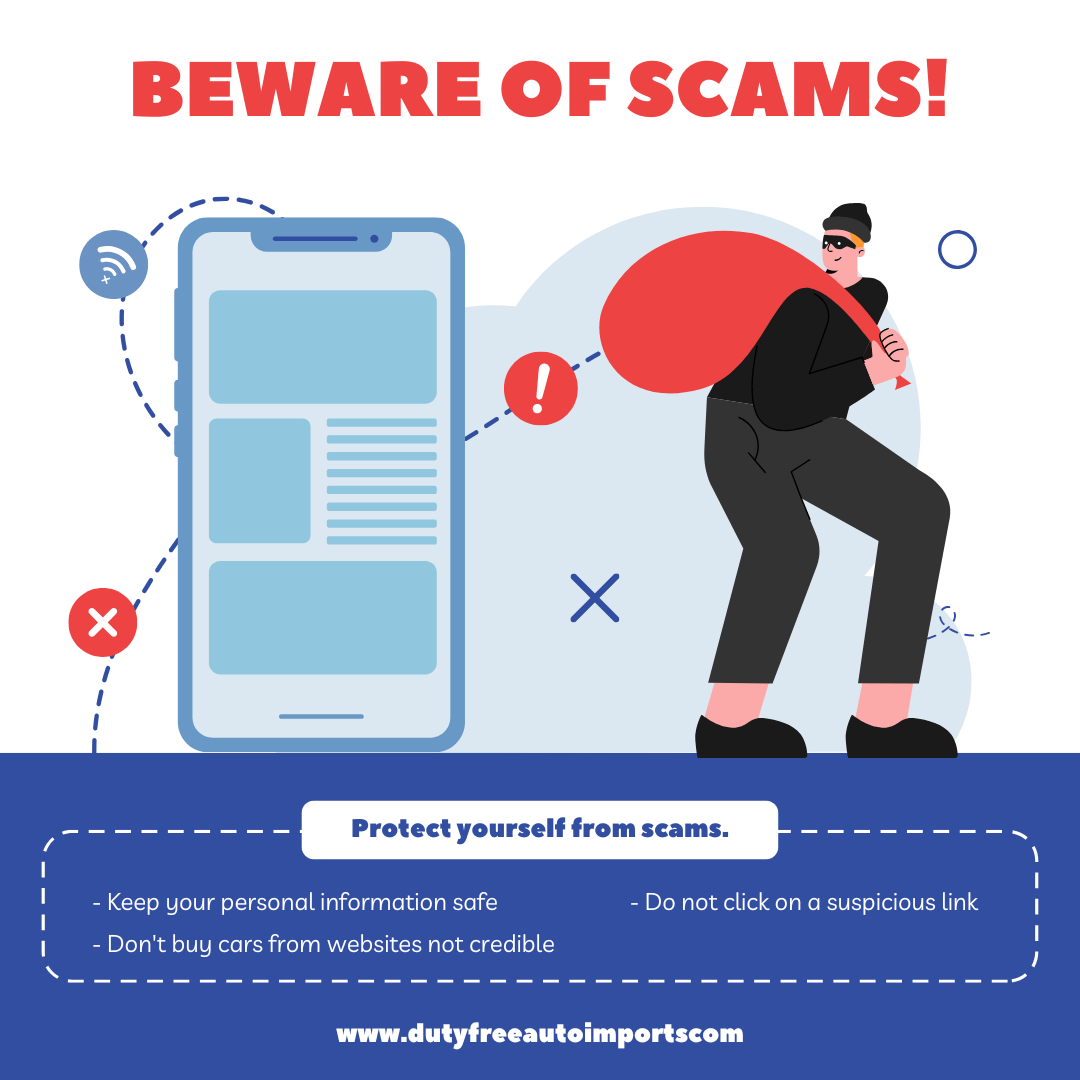
Unfortunately, not all agents and dealers have your best interests at heart. Some may overcharge, offer fake services, or even scam you out of your hard-earned money. Learning how to identify fraudulent agents and dealers can save you from stress, delays, and financial losses.

Too Good to Be True Deals
One of the biggest red flags is when an agent or dealer offers a deal that seems too good to be true. If someone promises unbelievably low fees or a car at a fraction of its market price, proceed with caution. Scammers often lure unsuspecting buyers with tempting offers that don’t match reality.
A legitimate agent will provide clear and reasonable pricing, including a breakdown of all costs. Take your time to compare quotes from multiple sources and research the average costs involved in duty-free car importation. If something doesn’t add up, trust your instincts and walk away.
Lack of Proper Credentials
A trustworthy agent or dealer should have proper credentials and a track record to back up their claims. If someone hesitates to provide references, business licenses, or certifications, it’s a sign they might not be legitimate. Authentic professionals will have no issue sharing proof of their qualifications.
You can also check if the agent is registered with reputable organizations or listed in online directories. Reviews and testimonials from past clients can give you a sense of their reliability. A little research goes a long way in ensuring you’re working with someone trustworthy.
Pressure to Pay Upfront
Fraudulent agents often pressure their clients to make large upfront payments without providing detailed contracts or receipts. This tactic is designed to leave you with little recourse if things go wrong. A reliable agent will offer transparent payment terms and a clear agreement outlining their responsibilities.
Always insist on a written contract before making any payments. Ensure the contract includes important details, such as the expected timeline, fees, and services provided. If an agent pushes you to pay without offering documentation, take it as a warning sign.
Vague or Inconsistent Communication
Effective communication is key when working with an agent or dealer. If someone is vague, inconsistent, or avoids answering your questions, they might not be trustworthy. Fraudulent agents often rely on confusion to cover their tracks, leaving you unsure of what’s happening with your car importation.
A legitimate agent will provide regular updates and be willing to answer any questions you have about the process. They should also have a professional email address or phone number, rather than relying on personal social media accounts or unverified contacts. Clear, professional communication is a hallmark of a reliable service provider.
No Physical Address or Office
Scammers often operate online or through social media without having a physical address or office. This makes it easier for them to disappear once they’ve taken your money. Always verify the agent or dealer’s location and consider visiting their office if possible.
Having a physical presence adds credibility and accountability to their operations. If you’re unable to visit their office, ask for video calls or virtual tours to ensure they’re legitimate. A professional setup is a strong indicator that the agent or dealer is trustworthy.
How to Protect Yourself
The best way to avoid fraud is to arm yourself with knowledge. Research the duty-free car importation process thoroughly so you know what to expect at each step. Ask for recommendations from trusted friends, family, or online communities of returning residents who have gone through the process.
Trustworthy agents and dealers often have a strong reputation within the industry. Look for those who specialize in helping returning residents, as they’re more likely to understand the unique challenges you might face. By staying informed and cautious, you can protect yourself from scams and ensure a smooth importation experience.
Verifying Documents and Vehicle Authenticity
When importing a duty-free car for returning Kenya residents, verifying your documents and the car’s authenticity is non-negotiable. Getting this step right ensures you avoid costly mistakes and guarantees a smoother importation process. With scams and fraudulent deals lurking around, knowing what to look for and how to verify your paperwork and vehicle can save you from future headaches.
Double-Check the Vehicle’s History
Start by confirming the car’s history with the seller or dealer. Request the vehicle’s history report, which includes details like past ownership, mileage, and accident records. This report is crucial in ensuring you’re not buying a car with hidden issues or one that has been tampered with.
If the car has been involved in any accidents, the report will flag it. You’ll also want to ensure that the mileage hasn’t been altered. Verifying these details gives you confidence that the car you’re importing is in good condition and worth your investment.
Validate the Ownership Documents
The logbook or vehicle registration certificate is one of the most important documents in the car importation process. Ensure the details on the logbook, such as the car’s chassis number, engine number, and ownership history, match what the seller has provided. If any discrepancies exist, it’s a red flag that needs further investigation.
You should also confirm that the seller has full legal ownership of the vehicle. If the car was financed, make sure there’s no outstanding loan attached to it. A car with unresolved financial obligations could create complications during customs clearance.
Verify the Pre-Export Inspection Certificate
For a car to be imported into Kenya, it must pass a Pre-Export Verification of Conformity (PVoC) inspection in the country of origin. This inspection confirms that the vehicle meets Kenya’s safety, health, and environmental standards. Before shipping, ensure that the inspection has been conducted by a reputable agency, and verify the certificate’s authenticity.
The certificate should clearly outline the car’s specifications and confirm that it complies with Kenya’s regulations. Without this document, your car may be rejected at customs, leading to unnecessary delays and extra costs.
Check for Stolen Vehicle Records
No one wants to unknowingly import a stolen car. To avoid this, conduct a stolen vehicle check using databases in the car’s country of origin. Many countries offer online services that allow you to verify whether a car has been reported as stolen or flagged for any legal issues.
If you’re working with a trusted agent, they can assist with this step. Ensuring the car is legally clear protects you from potential seizures or legal troubles once the vehicle arrives in Kenya.
Confirm the Bill of Sale and Purchase Agreement
The bill of sale or purchase agreement serves as proof of the transaction between you and the seller. Make sure the document includes all the necessary details, such as the purchase price, the car’s make and model, and the names of both parties.
Both you and the seller should sign the agreement, and it’s a good idea to have it notarized for added security. This document is critical for customs clearance, so accuracy and completeness are key.
Inspect the Chassis and Engine Numbers
Before finalizing your purchase, physically inspect the car to ensure the chassis and engine numbers match the ones listed on the documents. These unique identifiers are used by customs officials to verify the car’s authenticity.
Take a close look at these numbers to ensure they haven’t been tampered with or altered. If you’re unsure, enlist the help of a trusted mechanic or inspection service to double-check everything for you.
Why Document Verification Matters
Verifying documents and vehicle authenticity is all about protecting yourself and your investment. By taking these extra steps, you’ll have peace of mind knowing that the car you’re importing is legitimate and complies with Kenyan regulations. It’s an essential part of the process that ensures your duty-free car journey is smooth and stress-free.
How to Use Trusted Services for Importation
Importing a duty-free car for returning Kenya residents doesn’t have to feel overwhelming. Trusted importation services can simplify the entire process, saving you time, money, and stress. These services handle everything from paperwork to shipping, making it easier for you to focus on enjoying your new ride. Here’s how to make the most of trusted importation services for a smooth experience.
Partnering with Reliable Import Agents
One of the best ways to streamline the car importation process is by working with reliable agents who specialize in duty-free services. These professionals have experience navigating customs regulations and know the ins and outs of Kenyan importation laws. They can guide you through each step, ensuring all your documents are in order and deadlines are met.
When choosing an import agent, look for those with a solid reputation. Ask for recommendations from other returning residents or check online reviews. A good agent will not only provide expertise but also communicate clearly and keep you updated throughout the process.
Using Verified Shipping Companies
Shipping your car safely to Kenya is a crucial part of the importation process. Choosing a trusted shipping company ensures your vehicle arrives on time and in excellent condition. Reputable companies provide clear contracts, insurance options, and regular updates on the status of your shipment.
Before committing to a shipping company, research their experience with Kenyan imports. Verify that they offer pre-export inspection services and are familiar with the requirements for duty-free vehicles. Trusted companies prioritize transparency, so ask for a detailed cost breakdown to avoid hidden fees.
Relying on Pre-Export Inspection Services
Every car imported to Kenya must undergo a Pre-Export Verification of Conformity (PVoC) inspection in its country of origin. Trusted importation services will ensure this inspection is carried out by an accredited agency, confirming your car meets Kenya’s safety and environmental standards.
Working with professionals to handle the PVoC process saves you from unnecessary delays at customs. They’ll coordinate with the inspection agency, provide you with the required certification, and make sure everything is in compliance before shipping.
Leveraging Customs Clearance Experts
Clearing customs is often the most challenging part of car importation, but trusted services can make it hassle-free. Customs clearance experts handle the paperwork, verify your documents, and ensure your car is processed quickly and efficiently. Their experience minimizes the risk of errors, which can cause delays or additional costs.
These experts are well-versed in the requirements for duty-free cars, including eligibility criteria and necessary documentation. By relying on their expertise, you can avoid common pitfalls and breeze through customs with confidence.
Why Using Trusted Services Is Worth It
Trusted importation services go beyond simply shipping your car—they provide peace of mind. From ensuring your car complies with Kenyan regulations to managing every step of the importation process, they save you from potential headaches. These services often have established relationships with customs officials, making them well-positioned to handle any challenges that arise.
The cost of using trusted services is a worthwhile investment, especially when compared to the risks of attempting the process on your own. A smooth, stress-free importation experience is well worth the price.
Building Trust: Real-Life Stories of Successful Imports
Importing a duty-free car for returning Kenya residents can feel daunting, but hearing real-life success stories can inspire confidence. These stories showcase how others have navigated the process, tackled challenges, and ultimately enjoyed their new vehicles. Let’s dive into some experiences that highlight how preparation and trusted services make all the difference.
From Dubai to Nairobi: James’ Seamless Experience
James, a software engineer returning to Kenya after five years in Dubai, decided to take advantage of the duty-free car scheme. He chose a Toyota RAV4 for its reliability and versatility, perfect for both urban and rural roads. Unsure of where to start, James worked with a trusted import agent who handled everything from paperwork to shipping.
With the agent’s help, James ensured his car passed the Pre-Export Verification of Conformity inspection and met Kenya’s eight-year age limit requirement. By the time he landed in Nairobi, his car was ready for collection at the port. The process was so smooth that James joked he didn’t even break a sweat. Today, his RAV4 is a key part of his life, from daily commutes to weekend getaways.
Susan’s Success with a Budget-Friendly Hatchback
Susan, a nurse returning from the UK, needed a cost-effective car that was reliable for city driving. After some research, she settled on a Toyota Vitz, a compact hatchback known for its fuel efficiency and affordability. Susan was cautious about scams, so she chose a shipping company that had glowing reviews and a proven track record.
Her experience was nothing short of excellent. The shipping company provided regular updates, and the customs clearance was handled without a hitch. Susan’s favorite part of the process was how stress-free it felt. She now recommends the Toyota Vitz and her trusted shipping company to other returning residents looking for an affordable, reliable car.
Samuel’s Journey with a Family SUV
Samuel had been working in Canada for nearly a decade when he decided to return to Kenya with his family. With young kids and a love for road trips, he needed a spacious and sturdy vehicle. Samuel opted for a Nissan X-Trail, a family SUV with ample room for passengers and luggage.
He relied on a professional import service to navigate the entire process, from verifying the car’s history to handling customs paperwork. Samuel was particularly impressed by how efficiently his agent handled the Pre-Export Verification of Conformity inspection. The SUV arrived in pristine condition, and Samuel has since driven it across the country, from Mombasa’s beaches to the hills of Eldoret.
Let us know what you think in the comments!

Categories
Newsletter
Subscribe to the newsletter and stay in the loop! By joining, you acknowledge that you'll receive our newsletter and can opt-out anytime hassle-free.
Created with ©Target Digital